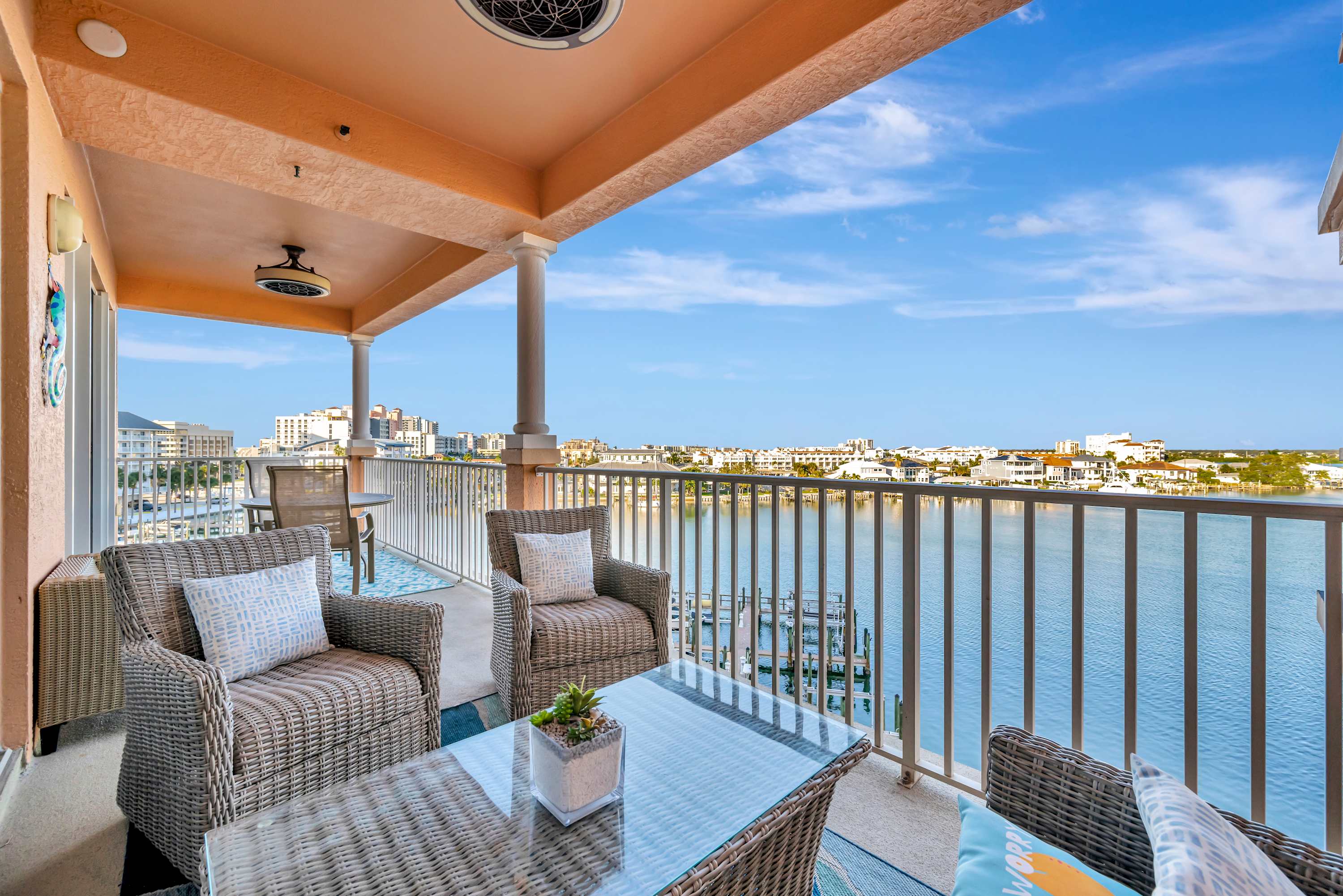
Many vacation rental owners assume low occupancy is just part of the game. The truth is, underperforming rentals almost always have strategy gaps, not demand problems. With the right management approach, even struggling properties can be turned into consistent revenue generators. This case study shows exactly how one Tampa Bay condo went from sitting half-empty to achieving over 90% occupancy in under a year.
The Real Problem: Low Occupancy Is Rarely About Demand
When a vacation rental sits empty, it is tempting to blame the market. But in most cases, the issue comes down to a few fixable problems: poor listing quality, inconsistent pricing, weak marketing reach, and a lack of guest experience optimization. Tampa Bay has strong year-round demand for short-term rentals. The properties that underperform are almost always the ones without a professional strategy behind them.
Self-managing owners often list on one or two platforms, set a flat rate, and hope for the best. That approach leaves money on the table during peak seasons and results in empty calendars during shoulder months.
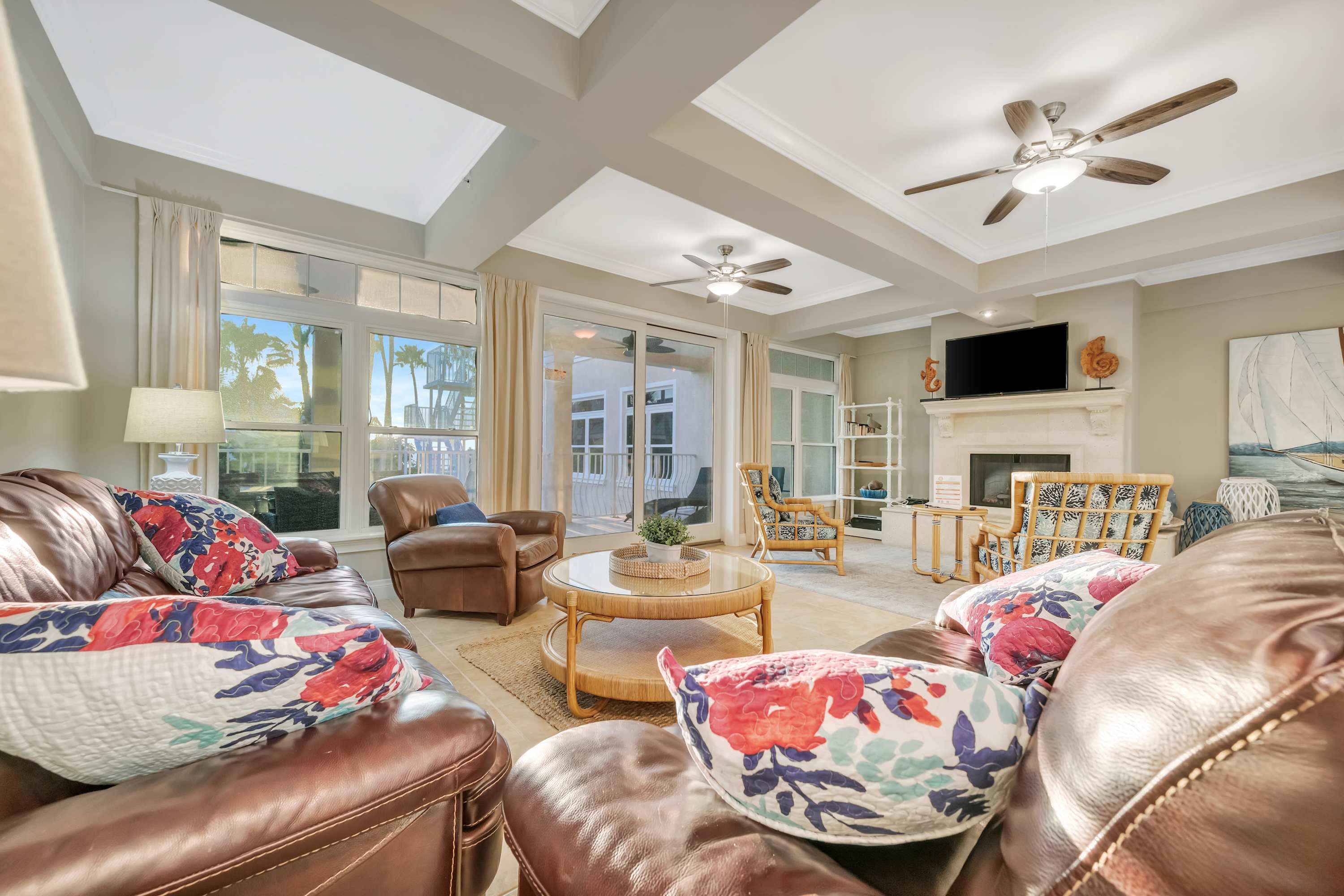
Case Study: From 50% to 92% Occupancy in 9 Months
A two-bedroom condo in the Tampa Bay area was averaging just 50% occupancy under self-management. The owner was handling everything personally: guest communication, pricing, cleaning coordination, and listing updates. Reviews had slipped to a 4.4 average, and bookings were inconsistent.
Baseline stats before professional management:
- Occupancy rate: 50%
- Average review score: 4.4
- Listed on one platform only
- Flat-rate pricing with no seasonal adjustments
- No professional photography
Actions taken after onboarding with professional management:
- Professional photography and listing optimization across multiple platforms
- Dynamic pricing adjusted daily based on demand, events, and seasonality
- Automated guest communication with fast response times
- Professional cleaning and quality inspections after every turnover
- Strategic review management to rebuild the property's reputation
Results after 9 months:
- Occupancy rate: 92%
- Revenue growth: 40% increase over the same period
- Average review score: 4.9
- Consistent bookings during both peak and shoulder seasons
Case Study Results at a Glance
Occupancy jumped from 50% to 92%. Revenue grew by 40%. The review score climbed from 4.4 to 4.9. These results came from professional systems, not luck, and they were achieved in just 9 months.
How Property Management Increases Occupancy
Professional property management does not just fill more nights. It fills them at better rates. Here is how the right management partner increases occupancy:
- Multi-platform distribution puts your listing in front of more travelers across Airbnb, VRBO, Booking.com, and direct booking channels
- Dynamic pricing captures peak demand and stays competitive during slower periods
- Listing optimization with professional photos, compelling descriptions, and strategic keyword placement improves search visibility
- Fast response times and 24/7 guest support improve conversion rates and review scores
- Consistent quality control ensures every guest has a five-star experience, which drives repeat bookings and referrals
Tampa Market Results: Local Managed Rentals Case Study
The Tampa Bay short-term rental market is competitive, but properties with professional management consistently outperform self-managed units. Across our portfolio, managed properties average 85-95% occupancy rates, compared to 50-65% for self-managed properties in the same areas.
This is not a coincidence. Professional managers bring institutional-grade tools, local market knowledge, and operational consistency that individual owners simply cannot replicate on their own.
ROI: Is Hiring a Manager Worth It?
The most common objection to hiring a property manager is the cost. But the real question is not what you pay in fees. It is what you lose without professional management. If your property is earning $60,000 per year at 50% occupancy, and a professional manager can push that to $84,000 at 92% occupancy, the management fee more than pays for itself.
Factor in the time you save, the stress you eliminate, and the long-term value of maintaining a high-performing listing with excellent reviews, and the ROI becomes clear.
How to Increase Vacation Rental Occupancy Fast
If your property is underperforming, here are the fastest levers to pull:
- Invest in professional photography. It is the single biggest driver of click-through rates on listing platforms.
- Switch to dynamic pricing. Flat rates leave money on the table during high-demand periods and price you out during slow ones.
- Expand to multiple platforms. Listing on just one site limits your exposure to a fraction of potential guests.
- Improve your response time. Guests book with hosts who reply quickly. Automated messaging systems help you respond within minutes, not hours.
- Focus on reviews. Every five-star review improves your search ranking and builds trust with future guests.
Final Thoughts
Low occupancy is not something you have to accept. It is a problem with a clear solution. The difference between a property that sits half-empty and one that books consistently at premium rates almost always comes down to management strategy.
If your vacation rental is not performing the way you expected, a professional management partner can identify the gaps and fix them. The results in this case study are not unusual. They are the standard outcome when the right systems are put in place.
Ready to Turn Your Property Around?
Find out what your rental could be earning with professional management behind it.
Get in Touch